Blog post
Vending Machine Placement in DFW: What You’ll Pay and Why
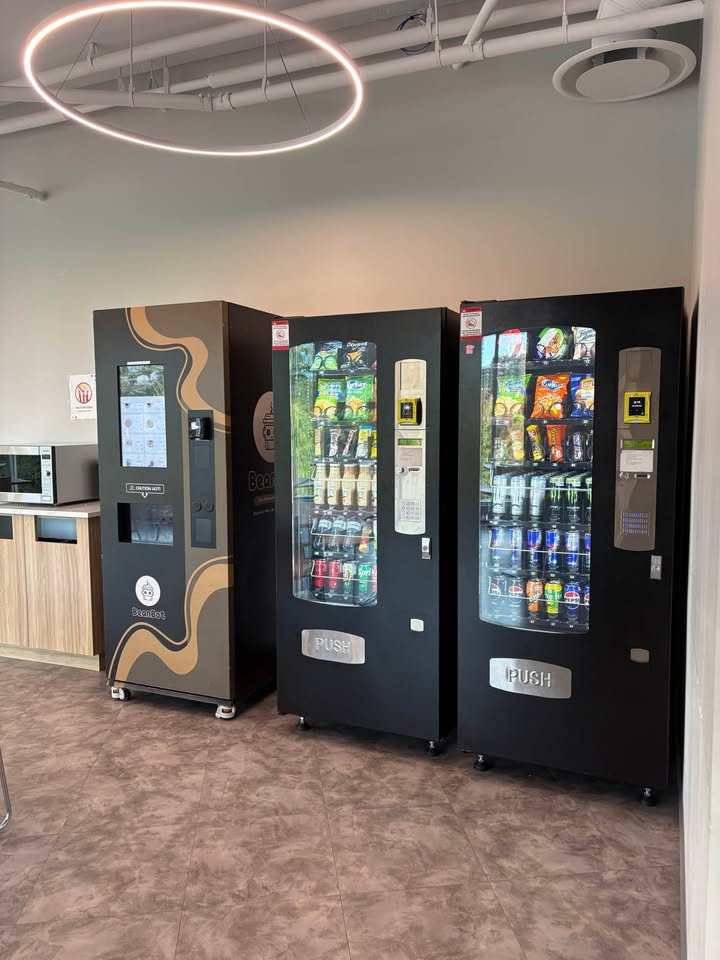
Vending placement is not one fixed price. The equipment, product plan, service schedule, and location all affect what a business pays. In Dallas-Fort Worth, a small office with steady weekday traffic has different needs from a warehouse serving several shifts or a customer lounge open into the evening. Understanding the factors behind a quote helps you compare offers, ask useful questions, and choose a setup that fits your workplace instead of paying for capacity you will not use.
1. What determines vending placement costs in DFW?
The first cost driver is expected demand. Providers look at how many people use a location, how often they pass the break area, and whether the building operates one shift or several. Consistent traffic can support a larger selection and more frequent service. A smaller site may need compact equipment and a focused product mix. These details matter because a vending provider generally has to make regular visits, keep inventory available, and maintain equipment. A realistic estimate starts with the people and schedule the machine will serve, not simply the number of machines requested.
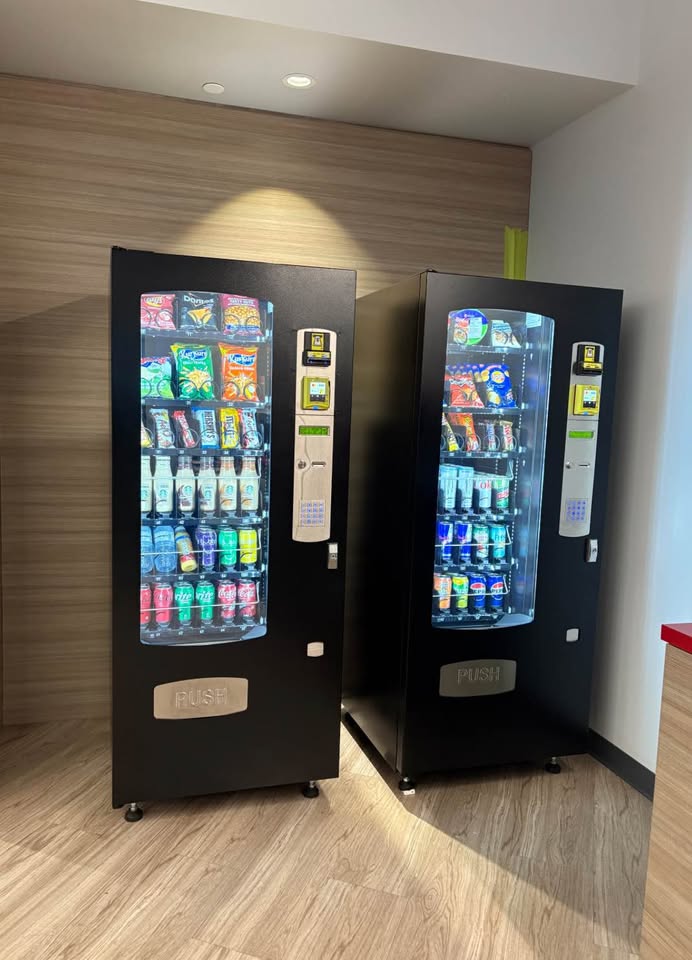
Equipment is another factor. A basic snack or beverage machine has different purchase, delivery, and maintenance requirements from a combination machine, refrigerated food unit, or connected cooler. Machine dimensions, delivery access, power availability, placement, payment technology, and whether equipment is new or refurbished may affect the proposed arrangement. Sites with tight hallways, stairs, restricted loading windows, or special access procedures can require extra coordination. Sharing photos and a simple floor plan during an assessment can help a provider understand the installation before preparing a proposal.
The service model also shapes the total. A quote may include equipment placement, stocking, cleaning, repairs, payment processing, and a regular route visit, or it may separate some of these responsibilities. Product prices, sales tax, revenue-sharing arrangements, and who pays for utilities should be explained clearly. Businesses searching for free vending machine placement in DFW should ask what “free” means in the specific offer: it may mean no equipment purchase or installation charge for an eligible site, not that every product or operating expense is free.
Ask the provider to separate one-time setup from recurring costs. Delivery, electrical work, floor preparation, card readers, and initial inventory may be treated differently from weekly service, repairs, or software. Also ask whether the proposal assumes a minimum number of purchases or sales threshold. If demand falls below that level, the provider may suggest a smaller machine, a different visit schedule, or a paid service plan. A written estimate should show who owns the equipment, who handles refunds and breakdowns, and what happens if your headcount or hours change. Those details explain why two placements that look similar can have different terms.
2. When is vending placement free, and what costs remain?
A no-upfront-cost placement can be possible when a location has enough expected sales to support equipment, restocking, and ongoing service. The provider assesses traffic, operating hours, user count, access, and product demand. A busy office, distribution center, or shared amenity space may be a stronger candidate than a low-traffic room used by a small team. This is why “free vending machine” offers should be treated as location-specific proposals, not universal guarantees. Eligibility can vary by equipment, sales expectations, route distance, and the terms a provider is able to offer.
For example, a business searching for a free vending machine in Dallas Tx should ask whether “free” refers to equipment, delivery, installation, stocking, or maintenance. Those items may be bundled differently. The machines might be placed without an upfront equipment fee while customers still purchase products at posted prices. A site may also need to provide a suitable outlet, clear floor space, and reasonable access for replenishment. Ask whether there are minimum sales requirements, a contract term, or obligations if the machine is removed early.
The same questions matter when comparing vending machine placement in Dallas with a proposal from another part of the metroplex. Route time, parking, building security, loading access, and service frequency can influence whether a provider can support a location under a no-upfront arrangement. Get the details in writing, including who owns the machine, what happens if it needs repair, how often products are checked, and whether you can request changes to the assortment. If a proposal is not a fit, a paid equipment or pantry option may offer more control over brands, selection, or service frequency.
A no-cost offer does not mean every business will receive equipment at no charge. Providers evaluate how many people are present, how regularly they use the machine, and whether sales can support inventory and visits. A small office may still get a useful option, but it could involve a compact unit, a narrower product list, or a different arrangement. Before signing, compare product prices with nearby alternatives and ask how pricing updates are communicated. The best value is convenient service with clear terms, not simply the word “free” in a headline.
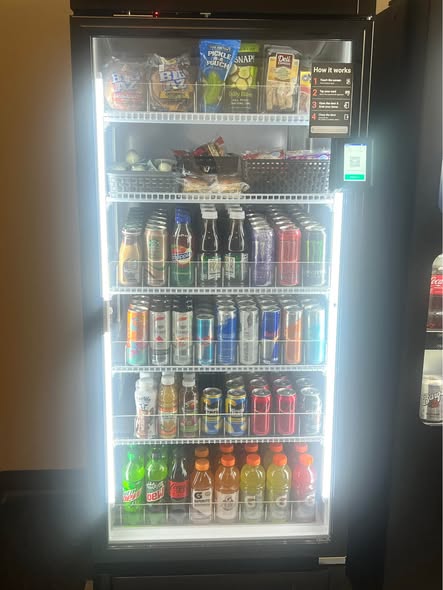
3. How does smart fridge placement cost in DFW compare?
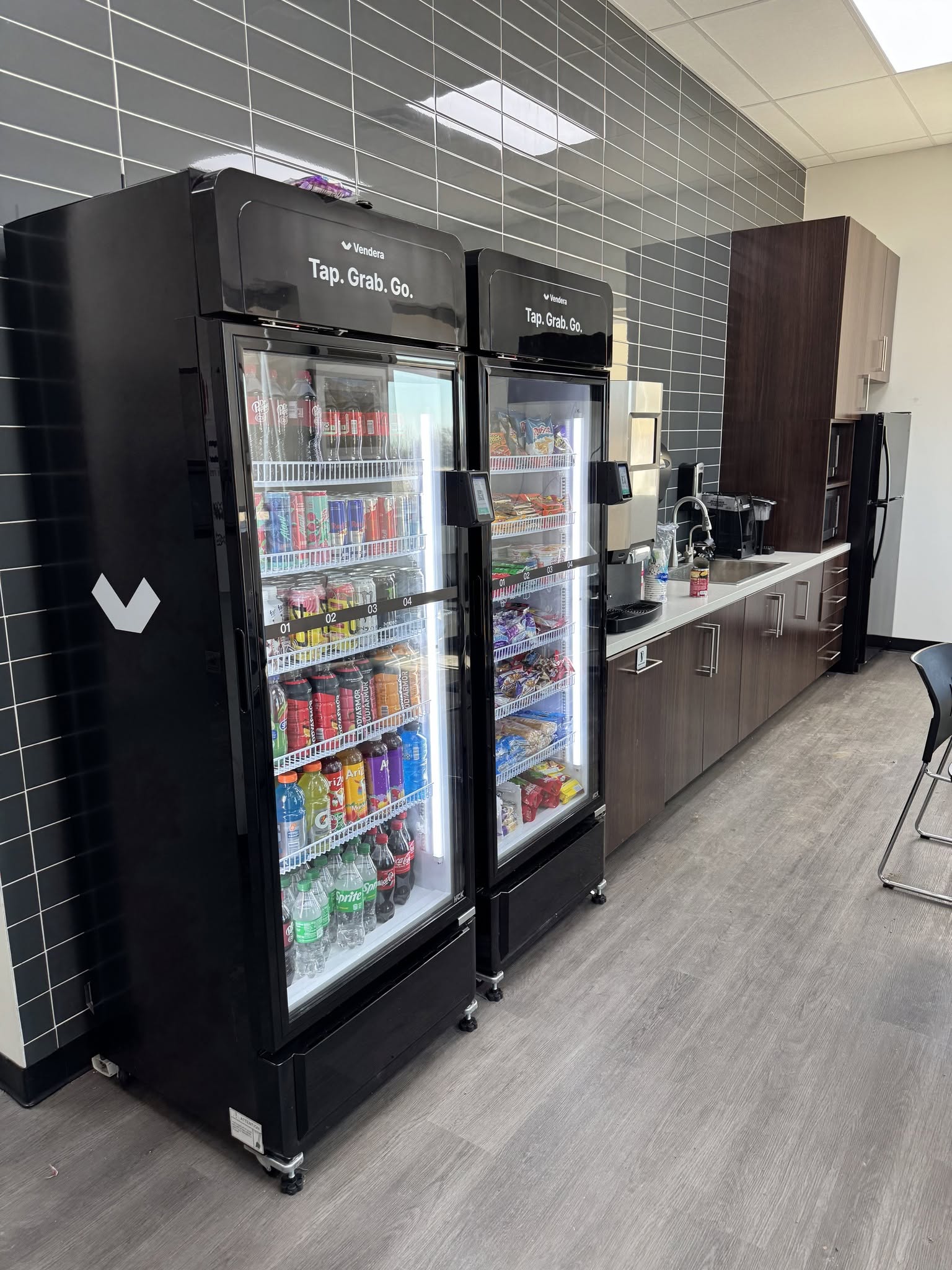
A smart fridge, sometimes called a smart cooler, can offer chilled meals, drinks, and snacks in a self-service format. Its placement cost may include more than the cooler itself. Depending on the equipment and service arrangement, a quote could account for refrigeration, connected checkout or access technology, payment processing, monitoring, delivery, setup, stocking, and maintenance. Some programs bundle equipment and service when a location meets their requirements; others may charge recurring fees or use a different commercial structure. Ask for a written breakdown rather than comparing only the sticker price of the unit.
The site itself can affect the budget. A smart fridge needs a level, accessible location, appropriate electrical power, ventilation clearance, and room for shoppers to browse without blocking a walkway. A fresh-food assortment also requires careful replenishment and date rotation. A location with regular lunch traffic may support sandwiches, salads, fruit, and prepared meals, while a smaller office might begin with beverages and a limited set of chilled snacks. The product mix should be sized to actual demand so fresh items remain appealing and avoid unnecessary waste.
Ask about restocking frequency and clarify who handles spoilage when fresh items do not sell before their date.
When reviewing smart fridge placement cost in DFW, ask whether the price includes the connected access system, transaction fees, inventory monitoring, delivery, and ongoing maintenance. Refrigeration performance and service response are especially important when the cooler carries perishable meals. Find out who checks temperatures, how expired items are removed, and how quickly a fault is handled. Placement may be offered as part of an agreement for a suitable location, while other sites may see a recurring equipment or technology charge. Compare the full monthly and annual cost against the convenience and variety the cooler adds, not just whether installation is listed as free.
Technology and service expectations are worth reviewing before you agree. Ask what payment methods the system supports, how shoppers get help if checkout fails, who monitors inventory, and how quickly a service issue is addressed. Clarify whether the monthly charge covers software, equipment, route visits, product rotation, repairs, and payment processing. Compare the full operating arrangement over the term, not just whether installation is listed as free.
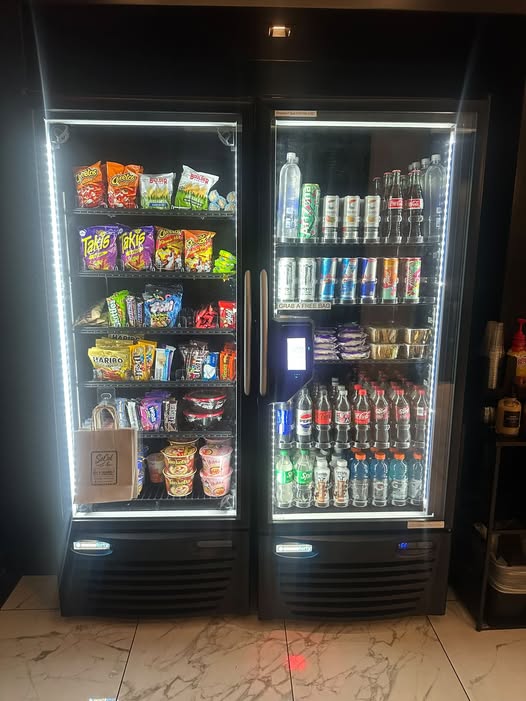
4. How to compare quotes and choose a placement plan
Start by describing the location accurately. Share the approximate number of employees or daily visitors, operating hours, shift pattern, breakroom dimensions, electrical access, and any delivery or security rules. Explain whether you want packaged snacks, cold beverages, fresh meals, coffee, or several services together. A provider can make a better recommendation when the request describes what people need instead of naming a particular machine before demand has been reviewed. If the site has multiple buildings, note whether the equipment would serve one shared room or several separate groups.
Then compare proposals using the same questions. A useful quote explains the equipment, installation responsibility, product prices, payment options, restocking cadence, cleaning, maintenance, service contact, contract term, and any sales or revenue-share arrangement. Ask what is excluded and what conditions could change the price. For fresh food or a smart fridge, ask how products are rotated and what happens when items do not sell. For standard vending, ask how the provider responds to outages, empty selections, and payment problems. Clear answers are a better sign than a headline promise alone.
For a fair DFW comparison, make sure each estimate uses the same assumptions: user count, service hours, machine type, and product mix. A low upfront price may involve higher product prices or a longer agreement, while a higher installation quote may include equipment ownership and more control over brands. Ask providers to explain how repairs, restocking, and contract changes are handled so you compare the full arrangement rather than one headline number.
Before signing, involve the person who manages the workplace and, where appropriate, employees who will use the equipment. A short product poll can uncover preferences, while a walk-through confirms the proposed location is practical. Delio Vending can review DFW sites for traditional vending, smart-fridge, micro-market, and coffee options. Share your location and goals to request an assessment; the right recommendation depends on site traffic, service fit, and the terms confirmed for that location.
Record each quote’s equipment, upfront charge, recurring fees, product prices, service frequency, repair response, term, and cancellation rules. Ask providers to explain traffic and eligibility assumptions; request a site visit if pricing depends on sales. This helps expose missing costs before installation.