Designed for the people on site
Refreshment that fits how facilities work.
A refreshment program should support the people who rely on a building every day, not add another operational responsibility. For facilities, that means considering facility managers, tenants, employees, residents, contractors, and members of the public, how they move through shared buildings, recreation centers, municipal spaces, managed properties, and multi-use facilities, and when they have time to take a break. A convenient, well-maintained option can make a short pause easier, give visitors a more welcoming experience, and help teams stay on site instead of leaving to find basic refreshments.
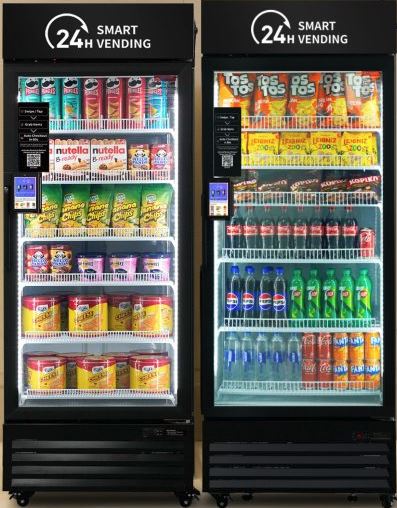
Delio Vending starts by learning what happens at your location. We ask about user groups, busy periods, access requirements, existing break areas, and the products people want. These details help us recommend equipment and service that feels intentional. A compact vending setup may be right for one site; another may benefit from coffee service, a smart cooler with fresh choices, or a micro market that offers more variety. The right answer depends on the operation, available space, and actual demand.
Organizations exploring free vending machine placement for facilities can request a site review. Placement is not automatic: eligibility and service terms depend on expected usage, access, equipment fit, and the location. When comparing a vending machine company in the facilities sector, ask how the provider assesses those needs and what ongoing restocking and support include.
A plan around your schedule
Make the space useful throughout the day.
In facilities, refreshment needs follow the schedule. Teams may need early-morning coffee, a quick option between appointments, food during a short shift break, or access outside conventional meal hours. Service planning should account for public opening hours, tenant routines, shift handoffs, programs, and scheduled events, plus the times when visitors, customers, or support teams are most active. We help map those patterns to equipment capacity, product selection, and practical restocking intervals.
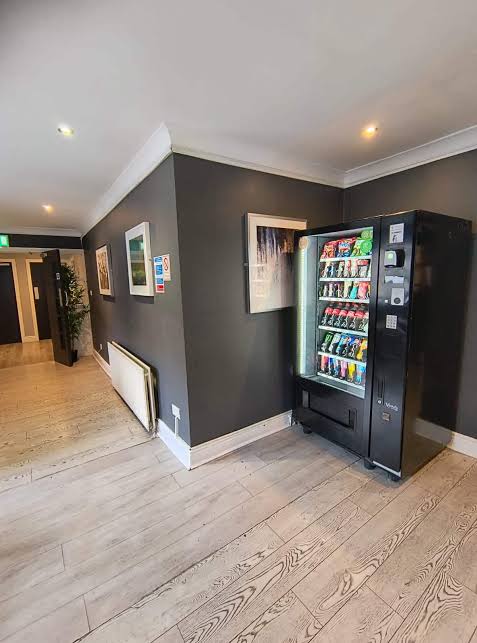
Placement is part of the experience too. Equipment should be easy to find and use without obstructing accessible routes, work areas, customer circulation, or important building functions. We review the proposed location with your contact and consider power, visibility, service access, and the way people already use the room. A considered layout keeps the amenity convenient while respecting how the site needs to operate.

Local service and care
Keep the program reliable after installation.
Equipment only helps when it stays clean, stocked, and ready to use. A service plan can include scheduled replenishment, product rotation, equipment checks, cleaning, and a clear process for reporting a concern. Visit timing should reflect site traffic and access procedures, so a busy location receives appropriate attention without unnecessary interruptions. We work with your designated contact to coordinate the practical details.
Communication matters just as much as the visit itself. Your team should know how to share a request, who receives service updates, and what happens when equipment needs attention. As we learn which choices are popular, we can discuss adjustments to inventory and timing. A responsive local partner helps the refreshment area remain useful as staffing, schedules, or building activity changes.
Review, learn, improve
Build around real usage, not guesswork.
The first setup is a starting point. During the early weeks, notice which products people select, which times are busiest, and whether the location is easy to access. Ask employees, guests, residents, or staff for direct feedback. If a product consistently runs out, demand may justify a different quantity or visit rhythm. If selections sit untouched, replacing them can make the service more useful and reduce unnecessary inventory.
The right review process is straightforward: agree on a point of contact, share observations, and make measured adjustments. Changes in headcount, seasonal schedules, special events, or operating hours may call for a temporary or lasting update. Delio Vending can help your facilities site compare vending, coffee, smart cooler, and market choices as needs evolve, keeping the plan practical rather than adding complexity for its own sake.
Start with your location
What to expect from a first conversation.
To explore service, share your location, operating schedule, approximate number of people served, available breakroom or common-area space, and the refreshments you would like to offer. It is also useful to mention access rules, delivery windows, and any product or placement considerations. With that information, we can discuss what equipment may fit, what service questions need review, and whether a small focused program or a broader set of options makes sense.
Delio Vending serves businesses and organizations throughout Dallas-Fort Worth and surrounding North Texas communities. We aim to make the process clear: understand the site, recommend an appropriate mix, coordinate installation, and support the program over time. Whether you are refreshing one break area or considering multiple locations, we can help you identify a practical next step for your people and your operation.
Questions from facilities
Frequently asked questions
What kinds of facilities can be served?
Service can be considered for managed properties, recreation centers, municipal buildings, shared workplaces, and other facilities with suitable space and regular users.
Can equipment fit a small common area?
Yes. A site review can compare compact vending, smart coolers, or a larger micro market against available floor space, access, power, and expected usage.
How can facility teams keep service organized?
A designated site contact, agreed service access, and clear reporting process help coordinate restocking, cleaning, maintenance, and any changes to the program.
Can programs support multiple tenant groups?
Product choices and equipment placement can be planned around the mix of employees, tenants, residents, visitors, and public users at each facility.
Can service visits avoid busy public periods?
Visit timing can be discussed around operating hours, building access rules, public programs, deliveries, and other site-specific constraints.
What information is useful for an initial facilities review?
Share the facility type, address, operating schedule, estimated daily traffic, available space, and the refreshment experience you want to provide.