Designed for the people on site
Refreshment that fits how hospitals work.
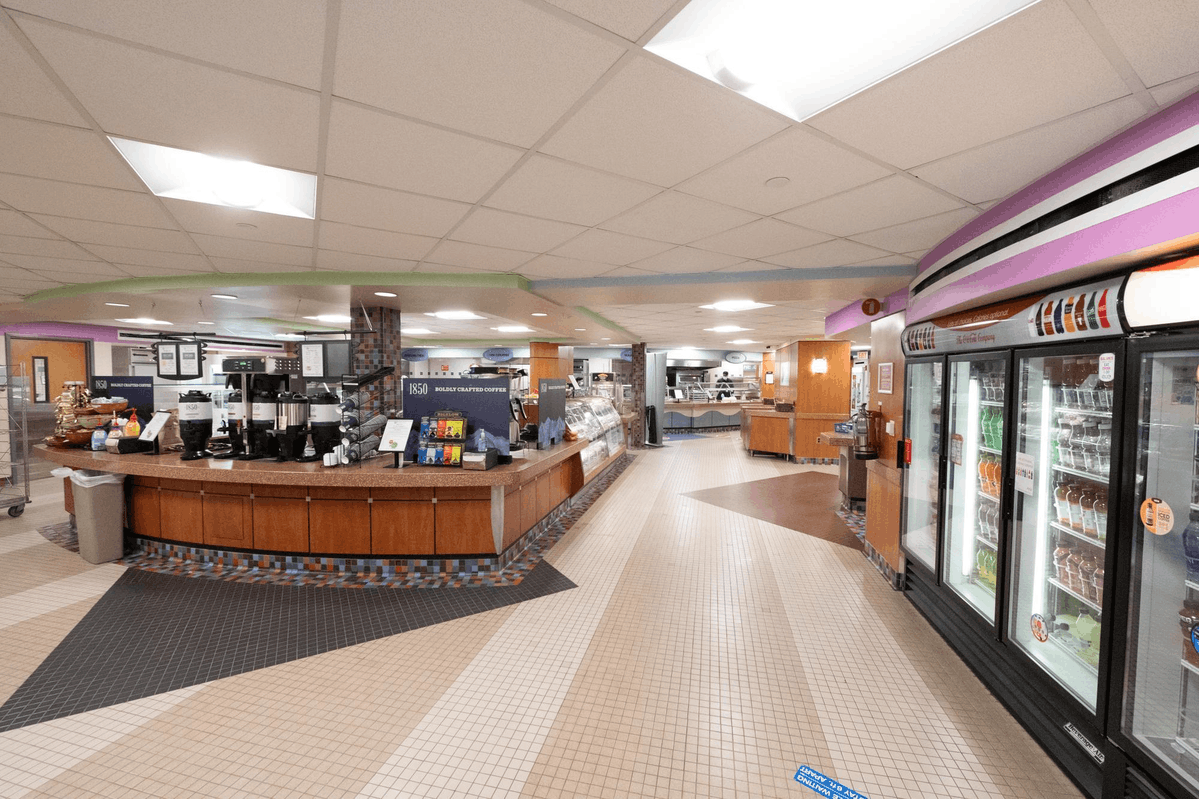
A refreshment program should support the people who rely on a building every day, not add another operational responsibility. For hospitals, that means considering clinical teams, support staff, patients, families, contractors, and visitors, how they move through staff lounges, public waiting areas, lobbies, outpatient centers, and around-the-clock facilities, and when they have time to take a break. A convenient, well-maintained option can make a short pause easier, give visitors a more welcoming experience, and help teams stay on site instead of leaving to find basic refreshments.
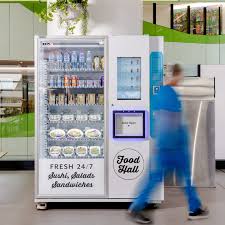
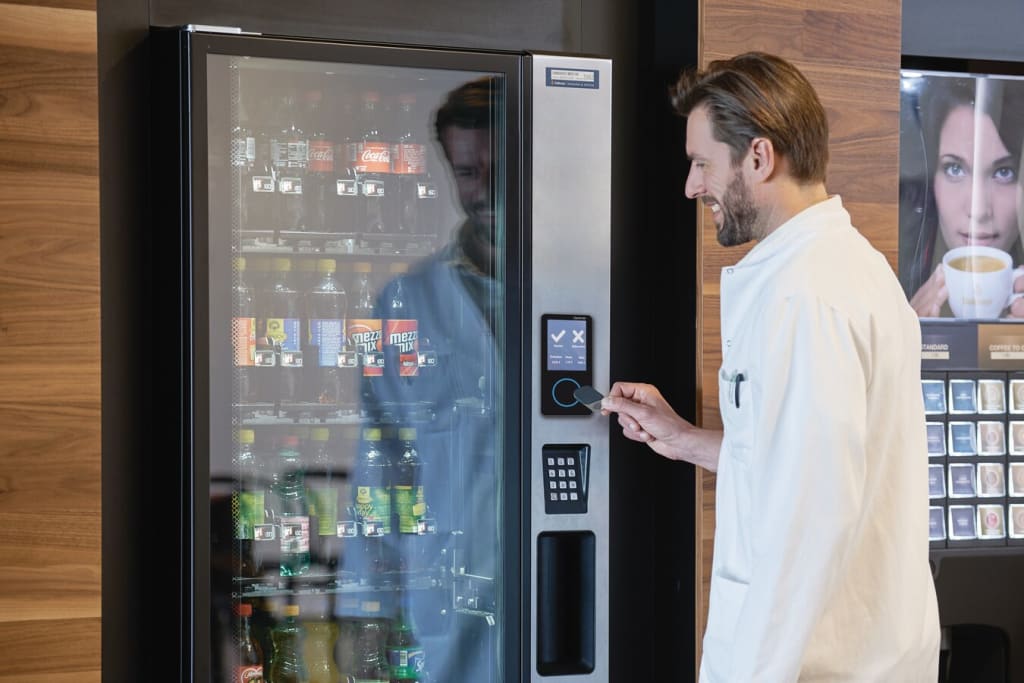
Delio Vending starts by learning what happens at your location. We ask about user groups, busy periods, access requirements, existing break areas, and the products people want. These details help us recommend equipment and service that feels intentional. A compact vending setup may be right for one site; another may benefit from coffee service, a smart cooler with fresh choices, or a micro market that offers more variety. The right answer depends on the operation, available space, and actual demand.
Organizations exploring free vending machine placement for hospitals can request a site review. Placement is not automatic: eligibility and service terms depend on expected usage, access, equipment fit, and the location. When comparing a vending machine company in the hospital sector, ask how the provider assesses those needs and what ongoing restocking and support include.
A plan around your schedule
Make the space useful throughout the day.
In hospitals, refreshment needs follow the schedule. Teams may need early-morning coffee, a quick option between appointments, food during a short shift break, or access outside conventional meal hours. Service planning should account for day and night shifts, rotating coverage, visiting hours, patient appointments, and continuous operations, plus the times when visitors, customers, or support teams are most active. We help map those patterns to equipment capacity, product selection, and practical restocking intervals.
Placement is part of the experience too. Equipment should be easy to find and use without obstructing accessible routes, work areas, customer circulation, or important building functions. We review the proposed location with your contact and consider power, visibility, service access, and the way people already use the room. A considered layout keeps the amenity convenient while respecting how the site needs to operate.
Local service and care
Keep the program reliable after installation.
Equipment only helps when it stays clean, stocked, and ready to use. A service plan can include scheduled replenishment, product rotation, equipment checks, cleaning, and a clear process for reporting a concern. Visit timing should reflect site traffic and access procedures, so a busy location receives appropriate attention without unnecessary interruptions. We work with your designated contact to coordinate the practical details.
Communication matters just as much as the visit itself. Your team should know how to share a request, who receives service updates, and what happens when equipment needs attention. As we learn which choices are popular, we can discuss adjustments to inventory and timing. A responsive local partner helps the refreshment area remain useful as staffing, schedules, or building activity changes.
Review, learn, improve
Build around real usage, not guesswork.
The first setup is a starting point. During the early weeks, notice which products people select, which times are busiest, and whether the location is easy to access. Ask employees, guests, residents, or staff for direct feedback. If a product consistently runs out, demand may justify a different quantity or visit rhythm. If selections sit untouched, replacing them can make the service more useful and reduce unnecessary inventory.
The right review process is straightforward: agree on a point of contact, share observations, and make measured adjustments. Changes in headcount, seasonal schedules, special events, or operating hours may call for a temporary or lasting update. Delio Vending can help your hospitals site compare vending, coffee, smart cooler, and market choices as needs evolve, keeping the plan practical rather than adding complexity for its own sake.

Start with your location
What to expect from a first conversation.
To explore service, share your location, operating schedule, approximate number of people served, available breakroom or common-area space, and the refreshments you would like to offer. It is also useful to mention access rules, delivery windows, and any product or placement considerations. With that information, we can discuss what equipment may fit, what service questions need review, and whether a small focused program or a broader set of options makes sense.
Delio Vending serves businesses and organizations throughout Dallas-Fort Worth and surrounding North Texas communities. We aim to make the process clear: understand the site, recommend an appropriate mix, coordinate installation, and support the program over time. Whether you are refreshing one break area or considering multiple locations, we can help you identify a practical next step for your people and your operation.
Questions from hospitals
Frequently asked questions
Can refreshment service support hospital shifts around the clock?
Equipment can provide self-service access outside cafeteria hours, while replenishment and support schedules are coordinated with facility access and operating requirements.
Can staff and public areas have different products?
Yes. Separate equipment or product mixes can be planned for staff lounges, public waiting spaces, outpatient buildings, and other areas.
Can vending be placed in a hospital waiting area?
Placement can be assessed with the facility contact to maintain accessible pathways, comply with site policies, and keep equipment convenient for visitors.
Can the program include coffee and fresh food?
Depending on demand and space, a plan may combine coffee, packaged snacks, beverages, smart coolers, or micro-market choices.
How is service coordinated in a controlled-access facility?
Access procedures, delivery windows, designated contacts, and any applicable facility requirements should be reviewed before installation and service visits.
How do we request a hospital service assessment?
Share the facility location, areas to serve, approximate user groups, access requirements, and service goals through the inquiry page.